
A 24′ deckover trailer goes out of an unstaffed yard and comes back, and no member of staff is present for either. The renter books online, drives to the gate, takes a $250 hold on their own card, presses one button, and the lockbox code arrives by email. The order status is the gate, and the renter is the one who moves it.
An unstaffed yard is the hardest version of equipment rental to run, because every safeguard a counter normally provides has to be replaced by something that works at 6am on a Sunday with nobody there. Has this person paid? Have they signed? Is there a deposit against the trailer walking off? And the one that decides whether the whole thing is possible at all: who gives them the code to the lockbox, and when?
Reservety’s answer is deliberately small. There is no separate “unattended mode”. The order status is the gate, the renter moves it themselves with a button that says what they are doing, and the code is released by the same status-gated email machinery the shop already uses. Two rows of configuration describe an entire rental.
This page follows one hire — order #28943 — from booking to return. Every figure is a screenshot taken while it was happening.
One table. Everything else in this guide is a consequence of it.
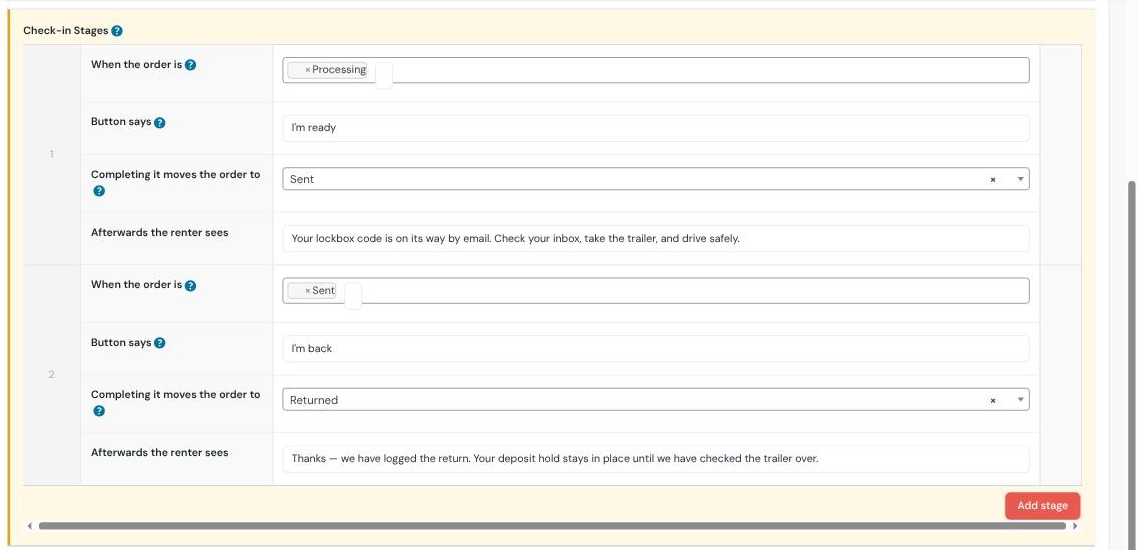
Nobody is at the yard, so the order status is the gate and the customer moves it themselves. Two rows in the check-in stages repeater describe a whole rental:
| When the status is | Button says | Promotes to |
|---|---|---|
| Processing | I’m ready | Sent |
| Sent | I’m back | Returned |
Why this shape. The renter never picks a status — they press a button that names what they are doing, and the row decides where that leads. The same screen is the pickup screen and the return screen; which one it is depends entirely on where the order already is. Add no rows and nothing promotes: the feature degrades to an ordinary staffed check-in.
The configuration in full. It took about five minutes.
Every trailer carries its own mechanical lockbox, so the code lives on the product. This yard has three: 4417 on the telescopic dump trailer, 2908 on the 24′ Monster Ramps deckover, 7325 on the deckover with chains and binders.

The field says it itself. “This code is a lasting secret. Unlike a smart-lock code it is not time-boxed: once a renter has seen it they can use it again, and so can anyone they pass it to. Change it on this product whenever you change the box.” A mechanical box is not a smart lock and the software does not pretend otherwise.
Each row has four parts: which status it applies to, what the button says, where completing it sends the order, and what the renter reads afterwards. That last field is worth spending a minute on — at an unstaffed yard it is the only instruction anybody gets.
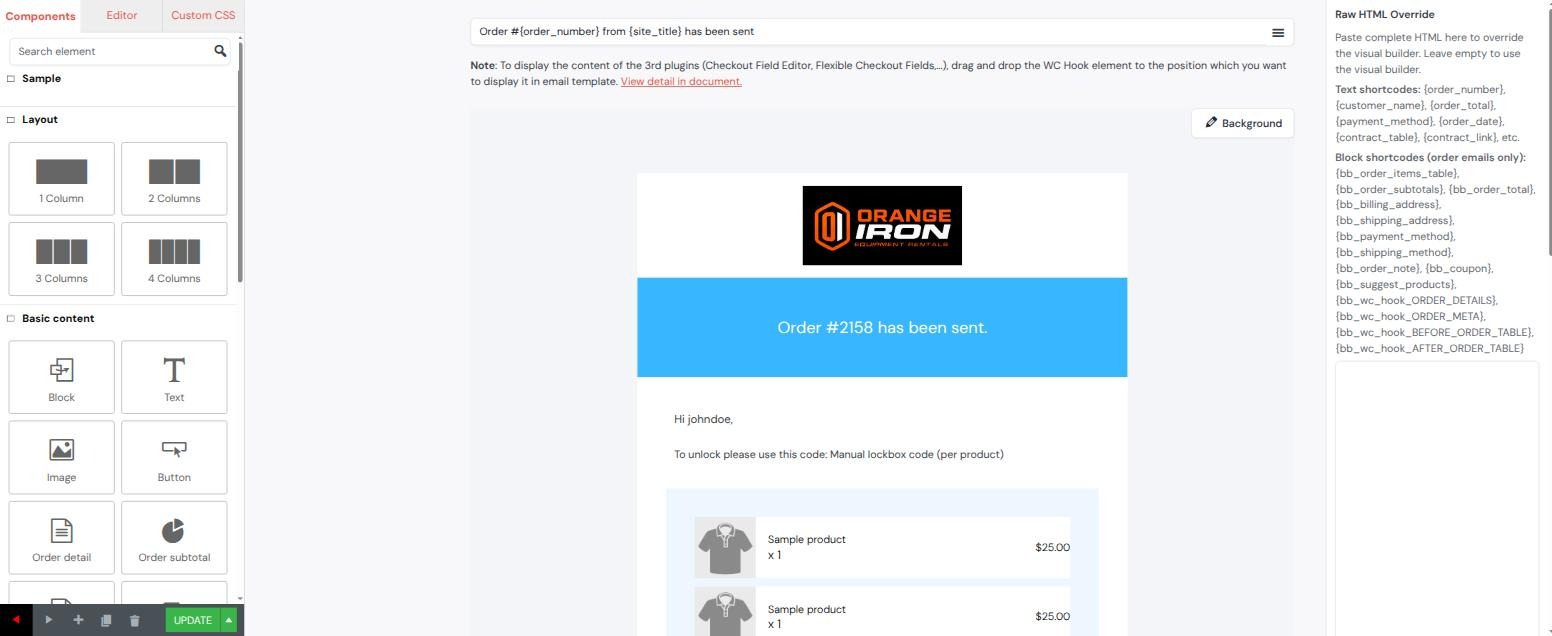
Nothing bespoke here either. The code rides in the shop’s existing Order check-out (send) template, through a merge tag, alongside whatever else the shop already tells people at pickup.
The one piece of this that is genuinely dangerous to get wrong, and nothing validates it for you.
{manual_access_code} only resolves while the order sits at one particular status — the one named in Smart Lock Codes Send on Status. At any other status the tag renders empty. That is the safety catch: it is what stops the code going out in the booking confirmation.
So the pickup row’s destination and that setting have to be the same status. On this site both are Sent. Out of the box the setting said Processing — which is the status an order reaches the moment it is paid for. Left alone, every renter would have received their lockbox code in the checkout email, days before arriving, and so would anyone who ever placed an order.
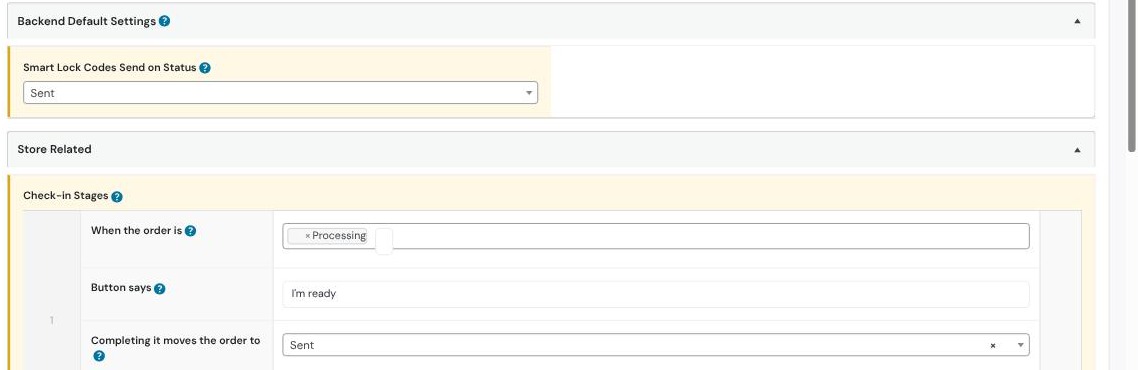
If you change one, change both. Point the pickup row somewhere new and the code stops arriving. Point the send status somewhere earlier and the code starts arriving early. The renter is standing at a locked gate in the first case and nobody finds out about the second until it has already happened.
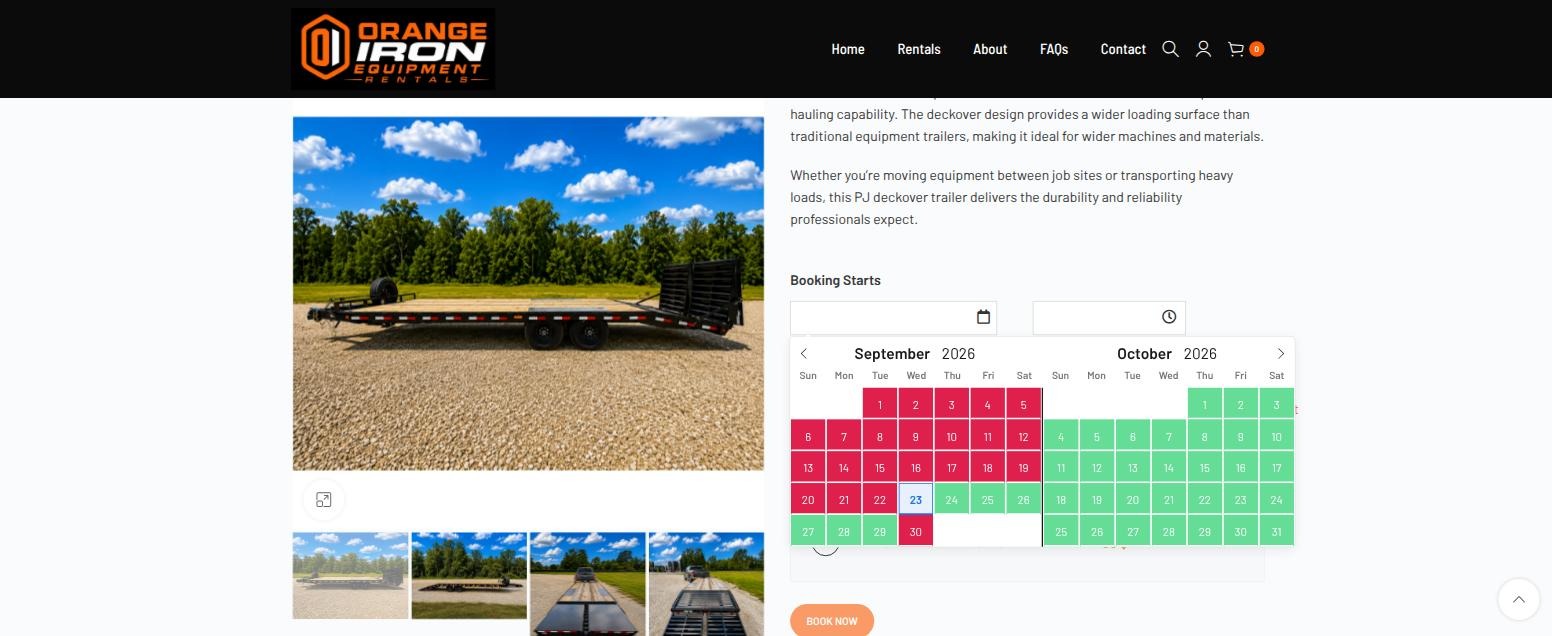
Ordinary online booking. Nothing about the yard being unstaffed shows up yet.
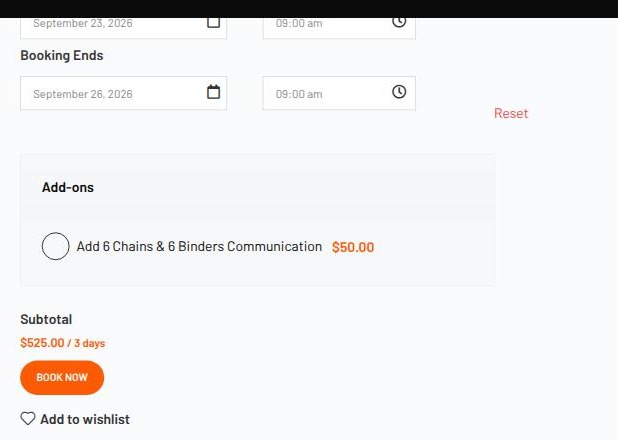
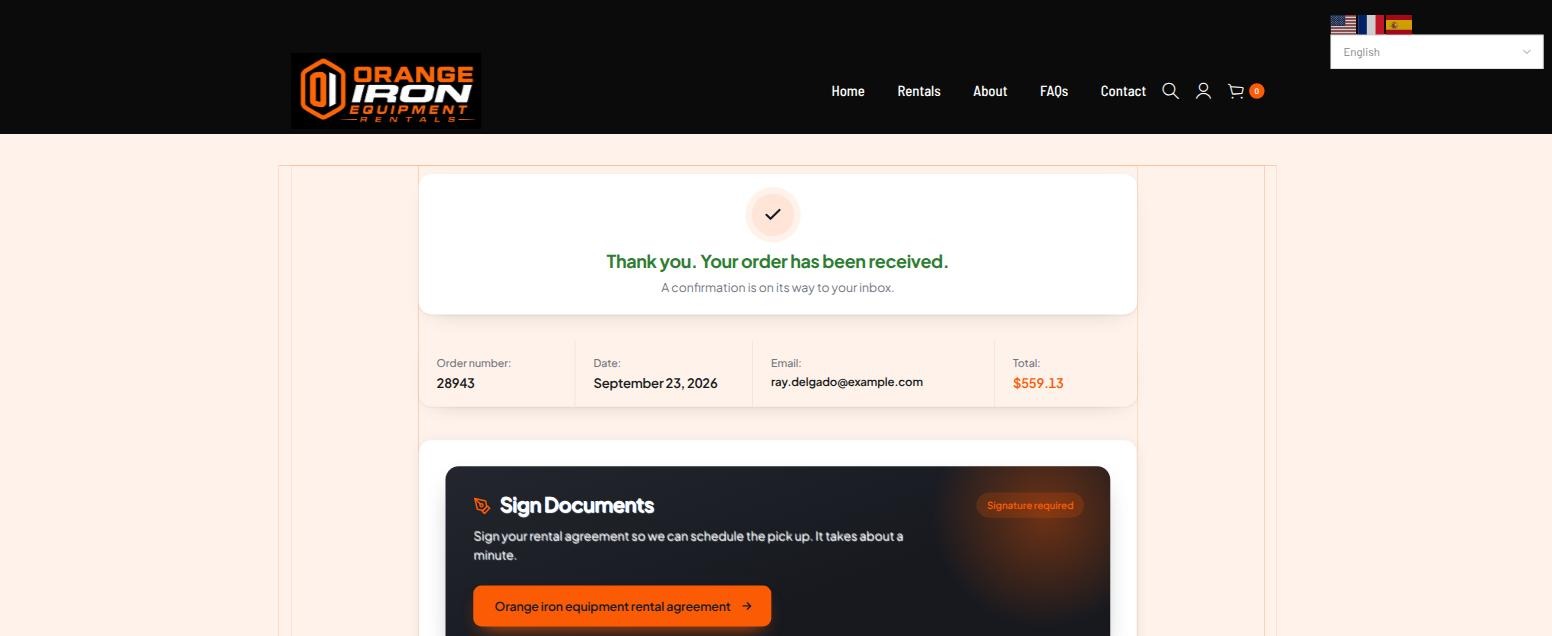
$525 plus $34.13 tax comes to $559.13, taken at checkout. The $250 security deposit is shown but not charged — it is a hold, and it does not happen until the renter is actually at the yard.
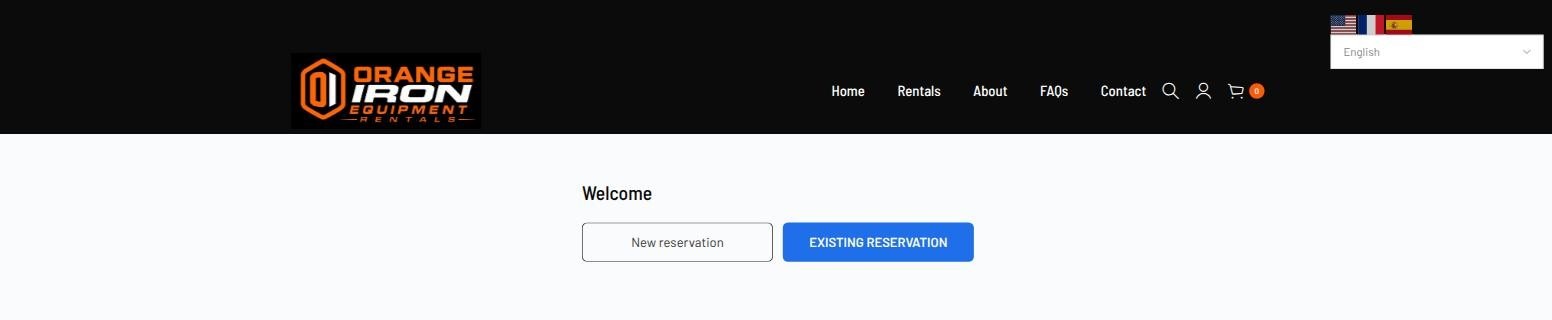
Wednesday, 9am. The yard is empty. There is a sign on the gate with a code on it.



A hold, taken by the renter, on their own card, standing at the gate.

He signs the agreement on his phone at the same time. With all three items cleared, the button comes alive.

One press. Three things happen, none of which needs a member of staff.
The order is promoted Processing → Sent. Reaching Sent is what authorises the security deposit, and reaching Sent is what makes {manual_access_code} resolve. The renter is told what to expect in the words the yard chose.


The thing the whole arrangement exists to produce.
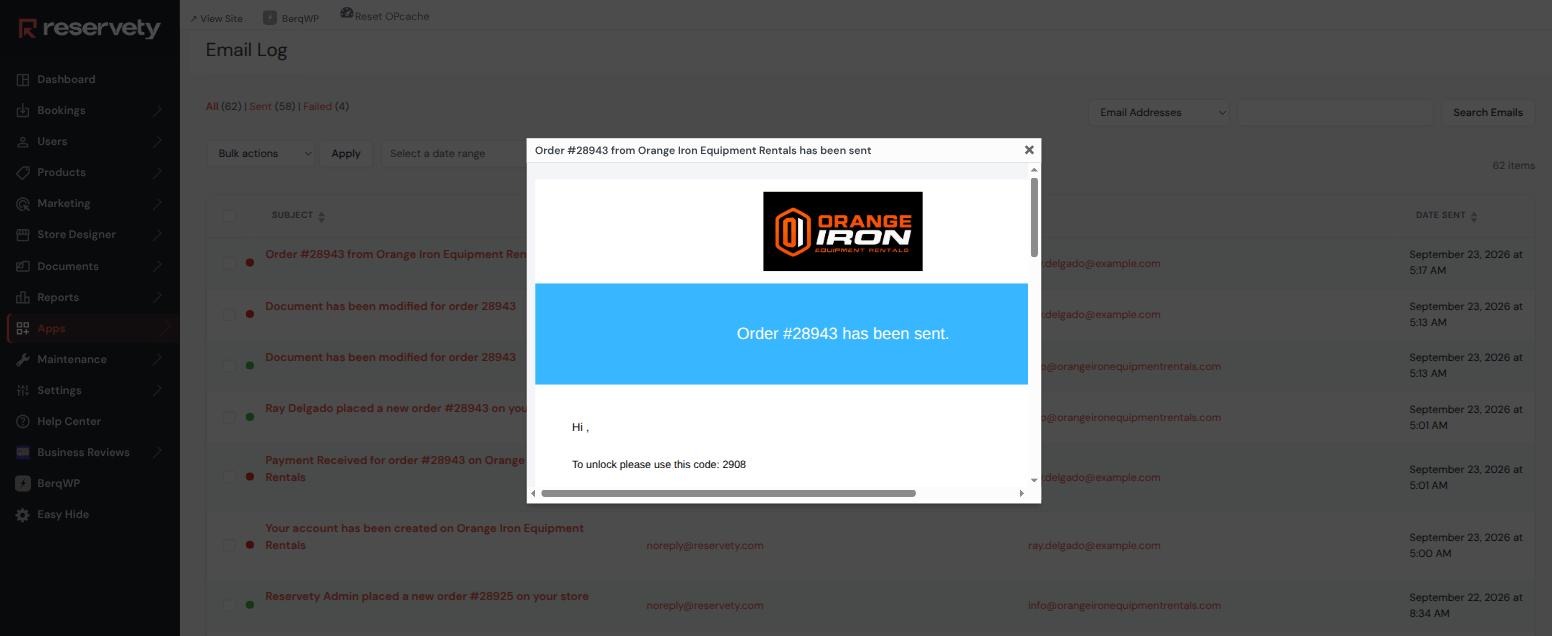
About this screenshot. It is the mail log’s rendering of the message that was actually generated and queued. The log marks it not sent, because the renter in this run is fictional and their address is on a reserved, deliberately undeliverable domain. The composition, the gating and the code are real; the delivery is the one part this demo could not exercise.
The sequence matters more than the screenshot. The code did not exist in any email the renter could read until they were physically at the gate with a signed agreement, a paid balance and a live deposit hold. Nothing about that ordering is enforced by a person.
Saturday morning. Still nobody at the yard.
Ray drops the trailer, puts the key back in the box, and opens the same page from the same sign. He is not asked to choose anything, and there is no second screen to find.
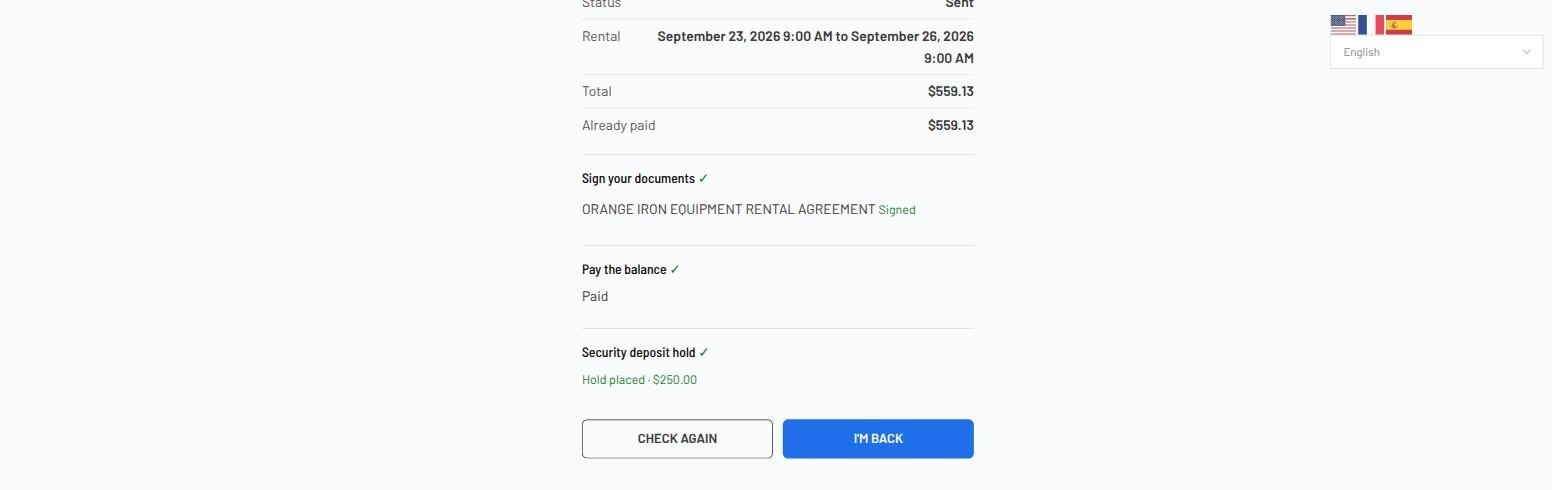

The one thing in this flow the renter deliberately cannot finish.
Pressing I’m back moves the order to Returned and logs the return. It does not touch the money. The hold stays authorised on the card until the owner walks out to the trailer, looks at it, and decides — release it, or charge some of it for damage, fuel or a late return.
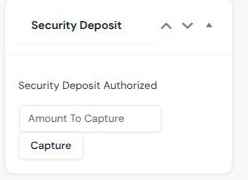
This is the deliberate asymmetry in the design. A renter is trusted to say “I have arrived” and “I have returned it”, because both are easy to verify afterwards and neither moves money on its own. Deciding whether a trailer came back in acceptable condition is a judgement, it costs the renter real money, and so it stays with the person who owns the trailer.
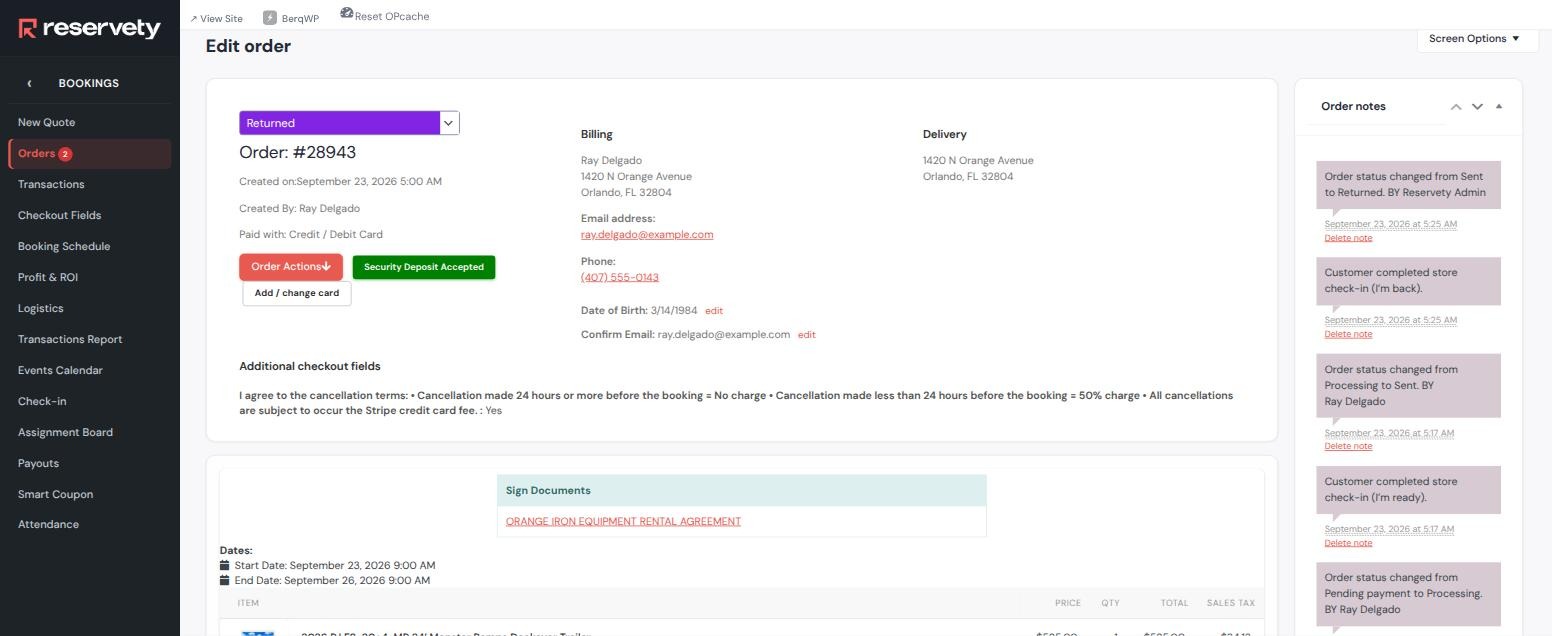
One trailer, three days, nobody on site.
Built on the Orange Iron Equipment Rentals staging site with the payment gateway in test mode. Order #28943 is a real order taken through that gateway; the renter, e-mail address and phone number are fictional and use reserved ranges, which is why the code email is logged as generated but not delivered. Every screenshot is the running system, unretouched.
Reservety handles your website, bookings, inventory, and payments — so you can focus on growing your business.