
Connecting with nature for physical and mental health is a growing trend around the world.
Connecting with nature for physical and mental health is a growing trend around the world.
The chirping noises of birds, the pleasant breeze of gentle wind, the smell of nature, and being surrounded by wild wildlife create a relaxing environment.
But is it possible to start an off-grid cabin rental business in such remote locations?
To find an answer, I first looked at academic publications and then searched the web to do a case study on businesses that use that model.
Right at the bat, it is important to mention that the Internet has very few publications about the off-grid cabin rental business. I assume that is because the term off-grid is pretty new:
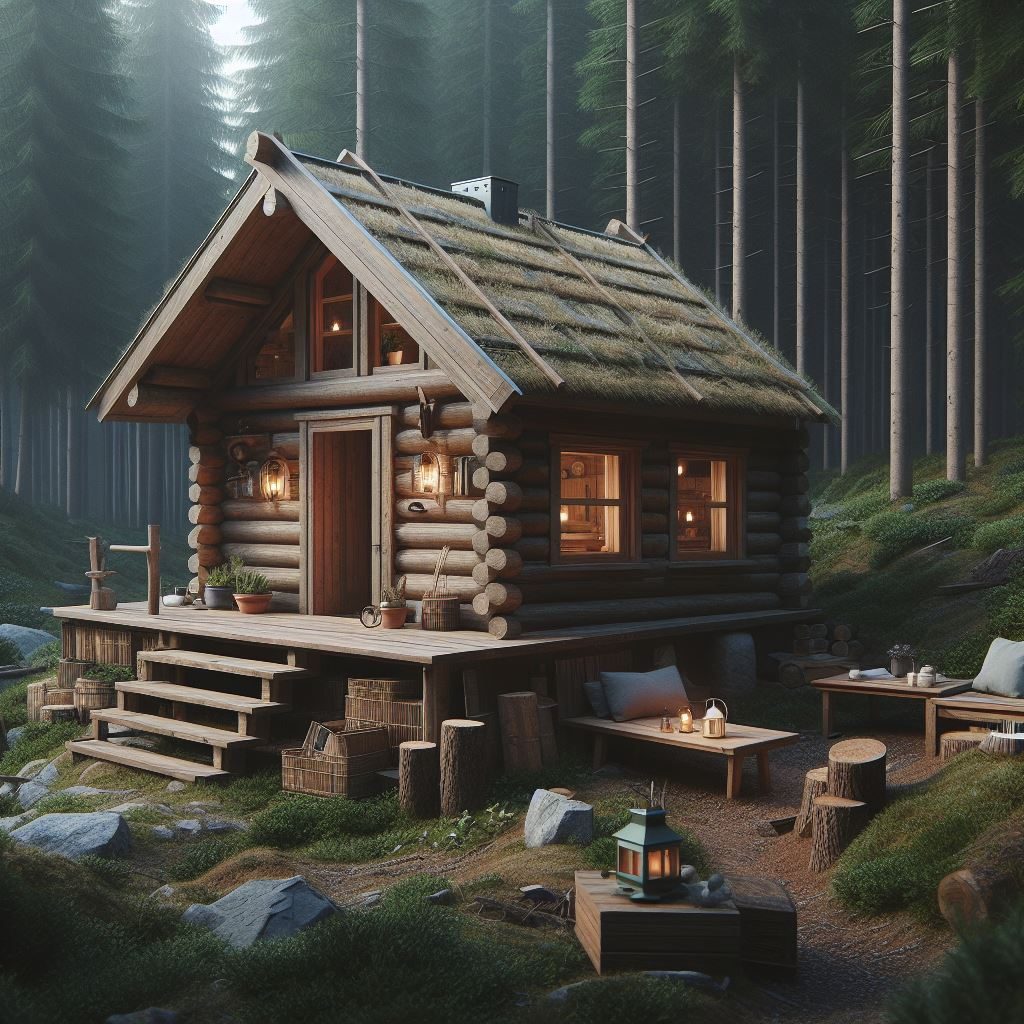
Off-grid cabins are similar to regular cabins but not hooked up to public utilities such as electricity, water, sewage lines, or the Internet.
They are self-sufficient dwellings in remote areas equipped with renewable energy sources such as wind tribunes, solar panels, natural water harvesting, satellite internet, etc.
The most relevant study on off-grid cabin rentals is written by Stefan Rönnberg from Tampere University. Although the article talks about starting an off-grid cabin rental business mainly in Lapland, Finland, I believe the model can be replicated in other parts of the world.
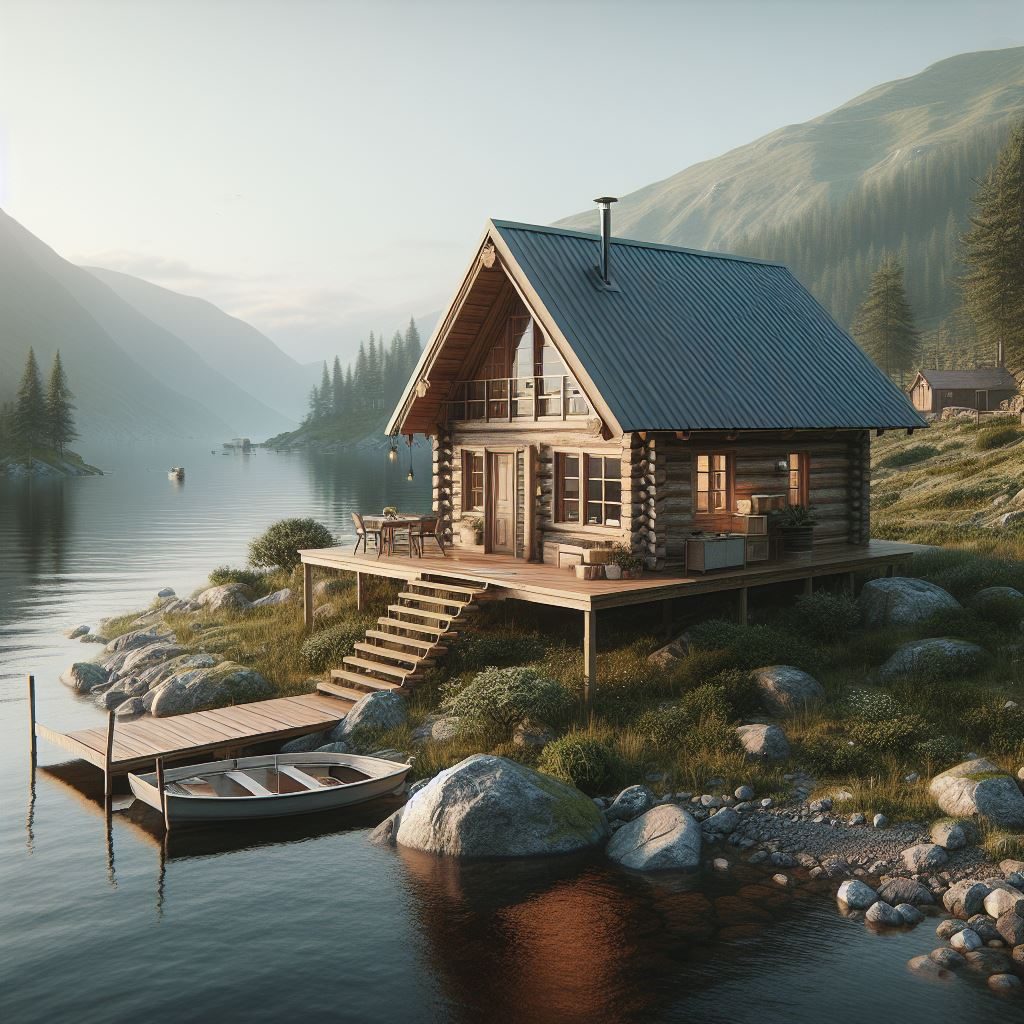
Depending on the size and customizations, construction will require initial investment. However, you can save some costs if you can obtain the materials from nature or nearby loggers at the wholesale price.
Still, you need to pay for solar panels or wind tribunes to power up the cabins and furnishings to make the place comfy for guests.
You have one shot at selecting an ideal location for off-grid cabin rentals because moving the cabins to a new location would be expensive once they are built unless you use portable cabins. Therefore, choose the best location for your future business.
Does the area have pleasant weather to satisfy nature lovers? Too much rain or snow may cause operational wrecks and give customers less time to enjoy nature.
Who would want to rent a cabin in places lacking attractive scenery? Give this question before building a cabin. Use your common sense. If the environment is not attractive to you, in 99% of the cases, it may not look appealing to your customers.
Ensure there is an accessible road to the rental cabins because not every customer is willing to walk a long distance or drive through harsh terrains. Also, accessible roads are suitable for management purposes such as transporting supplies to cabins, etc.
Avoid building a cabin near places with higher crime rates, toxic waste dumps, landslides, rockfalls, floodplains, etc. If your cabins are safely situated, it would be advertising on its own.
You must obtain the necessary permits to operate a legal cabin rental business. The laws will differ depending on the country and region. Also, you must know the local building codes to comply with the construction standards.
It would be best to have insurance to avoid losses and possible threats of lawsuits caused by reckless renters and natural events. For example, cabin dwellers may not have experience using off-grid cabins and may use fireplaces wrongly, or their campfire can start a wildfire. We are exaggerating the possibilities, but it is always good to stay on the safe side.
So, it would help if you talked to insurance companies to ensure they cover your cabins.
We should not overlook this natural resource while planning our cabin rental business. Water availability in the area can save you from the costs and hassle of bringing water from further away.
Basing your cabins near natural attractions will create more buzz. Natural attractions include rivers or lakes to fish, hiking trails, birdwatching spots, and clear night skies for stargazing, etc. In other words, off-grid cabins should be spiced up with opportunities for outdoor activities.
I looked at three businesses to demonstrate the true potential of the off-grid cabin rental business.
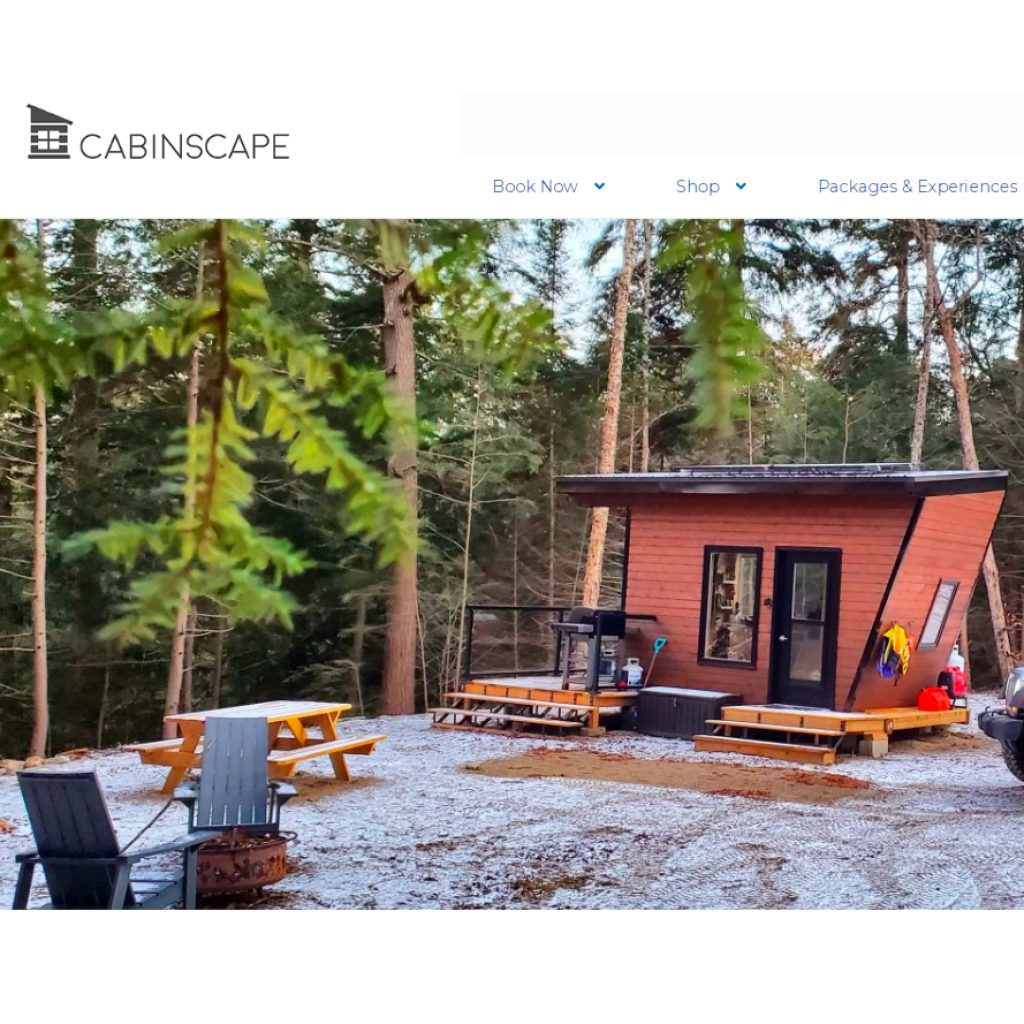
A Canadian company specializing in offering customizable and environment-friendly cabins for intimate wilderness escapes.
They have about 38 locations in southern Ontario, and cabins are placed in “beautiful, rugged, and private landscapes” to host solo, couple, and small groups wanting to experience nature within.
Unfortunately, we couldn’t find public records of their revenues. However, we can assume that they are successful as they are planning to add more off-grid cabins to new locations.
Plus, they offer a “partnership program” to place a tiny cabin in suitable properties and share the revenues with the landowners.

Offgrid is another small cabin rental business, but this one has an interesting story.
When Björn Welter, the founder of Offgrid, visited Bali for the first time, he was amazed by the beauty of the island and experienced the life-changing impact of being closer to nature and meditation.
And it was the very beginning of his entrepreneurial journey. He started Offgrid cabin rentals when he noticed most people wanted to go to “hide-away places” in nature for deeper relaxation and escape from hectic city life.
Offgrid offers cabins in multiple locations. Interestingly, all those cabins are situated in the midst of calm nature but not too far from major cities.
Because most people prefer quicker access to the cabins as they have only two days off on a weekend. If it is too far, then they may give up their free time just to get there.
That is something you can consider in your business plan!
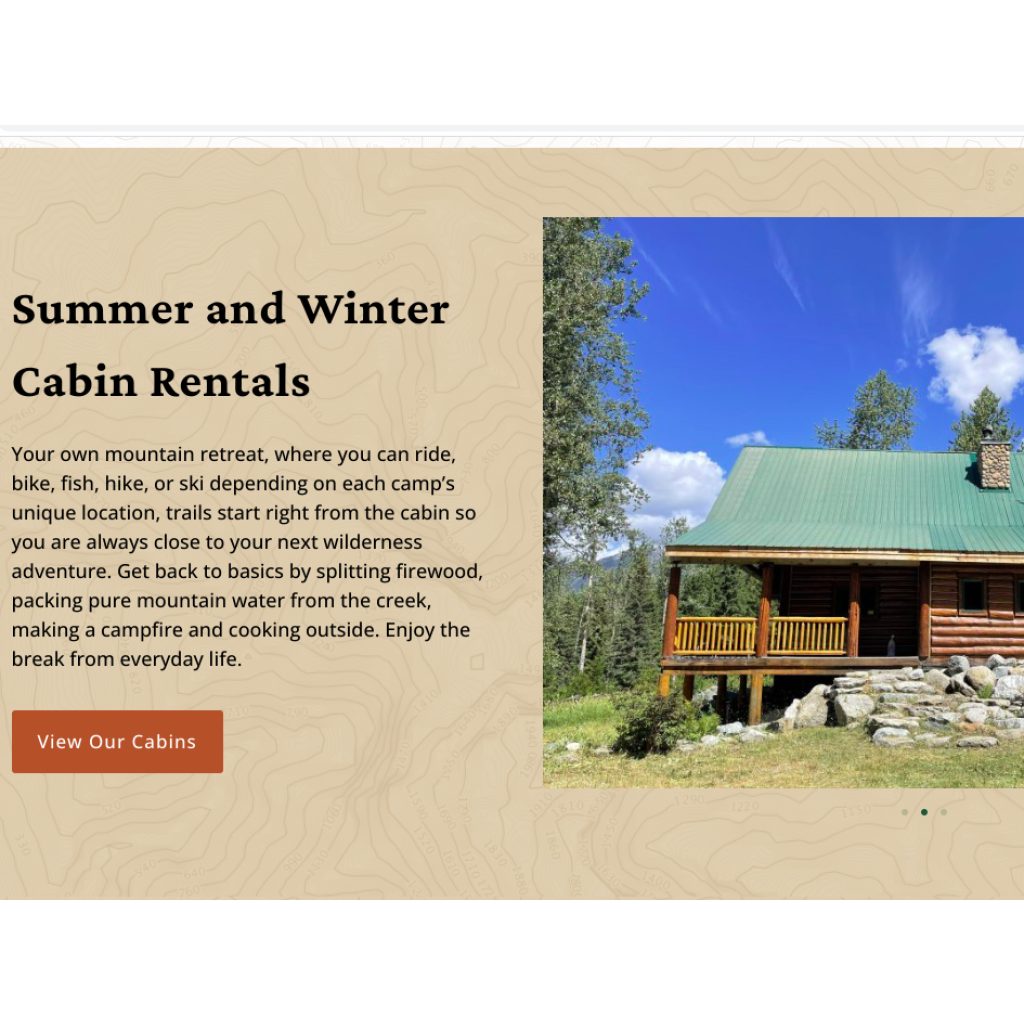
Offgrid Adventures is the third example in our case study. In addition to off-grid cabins, they also offer seasonal outdoor activities. Their winter activities include backcountry exploring, ice fishing, skiing, snowshoeing, etc. And during summer, people can enjoy horseback trips, hiking, exploring mountains, lake fishing, etc.
They have six locations, and each location offers a unique experience and rental equipment for maximum enjoyment. Their rental equipment includes fishing gear, boats, and kayaks, snowshoes, etc. Add-on products and services are a great way to increase revenues! That is another thing you can consider in your business plan!
Although we couldn’t find information on their financial performance, their galleries hint that their business gets a good number of people.
A study by Ratcliff et al. (2021) indicates that nature restores people’s focus, thereby enhancing their creativity.
It means you can market your off-grid cabins as a place of personal development and creativity. No wonder why great writers such as Mark Twain and Leo Tolstoy built their homes in nature.
A study by the University of Colorado Boulder found that people who camped in nature over the weekend improved their sleep patterns. They suggest that outdoor activity resets the biological clock, adjusting the alignment between the natural light-dark cycles.
Nature is not only good for adults, but children can get great benefits from it. According to the Barcelona Institute for Global Health, children who grew up in homes surrounded by green space tend to have increased levels of white and grey matter in certain parts of their brains. What it means is children who grow up in the midst of a natural environment may have higher cognitive function.
Did you know that there is a term called noise pollution, and it can cause a wide range of health problems?
According to Harvard Medicine Magazine, noise pollution can lead to hearing loss, hypersensitivity to sounds, tinnitus, cardiovascular disease, mental health & cognitive problems, type 2 diabetes, attention deficit, sleep disturbances, stress, and childhood learning delays.
The European Environmental Agency reports that “more than one in every five EU citizens is exposed to chronic harmful levels of road traffic noise.”
Noise pollution ranks as the second most harmful environmental exposure to public health, the first being air pollution.
A recent study led by Charlie Roscoe found that noise is harmful to human health even when they are sleeping through it. When people are not conscious or sleeping, their brains still have stress responses, which leads to dysregulation of stress hormones, ultimately leading to adverse health effects such as diabetes, insulin resistance, and cardiovascular issues.
The result was obtained through research led by Mathew White. The study involved 20,000 people and found that people who spent 2 hours in a local park or in nature were more likely to report good health and psychological well-being than those who didn’t.
As cited by Jim Robins from Yale University, “Nature is not only nice to have, but it’s a have-to-have for physical health and cognitive function.”
In this article, we:
If you are trying to start an off-grid cabin rental business, consider using Reservety, as it provides business owners with:
Currently, Reservety offers 14-day risk-free trails (No credit card requirements!), and the team will help you build an off-grid cabin rental website with a unique design, setup, and migration at no charge!
Reservety handles your website, bookings, inventory, and payments — so you can focus on growing your business.