
A clothing rental business rents designer, occasion, and everyday fashion to customers who want variety without the cost of ownership. The global online clothing rental market is set to jump from USD 2.4 billion in 2024 to nearly double that by 2033, driven by sustainability trends, social media demand, and better rental technology.
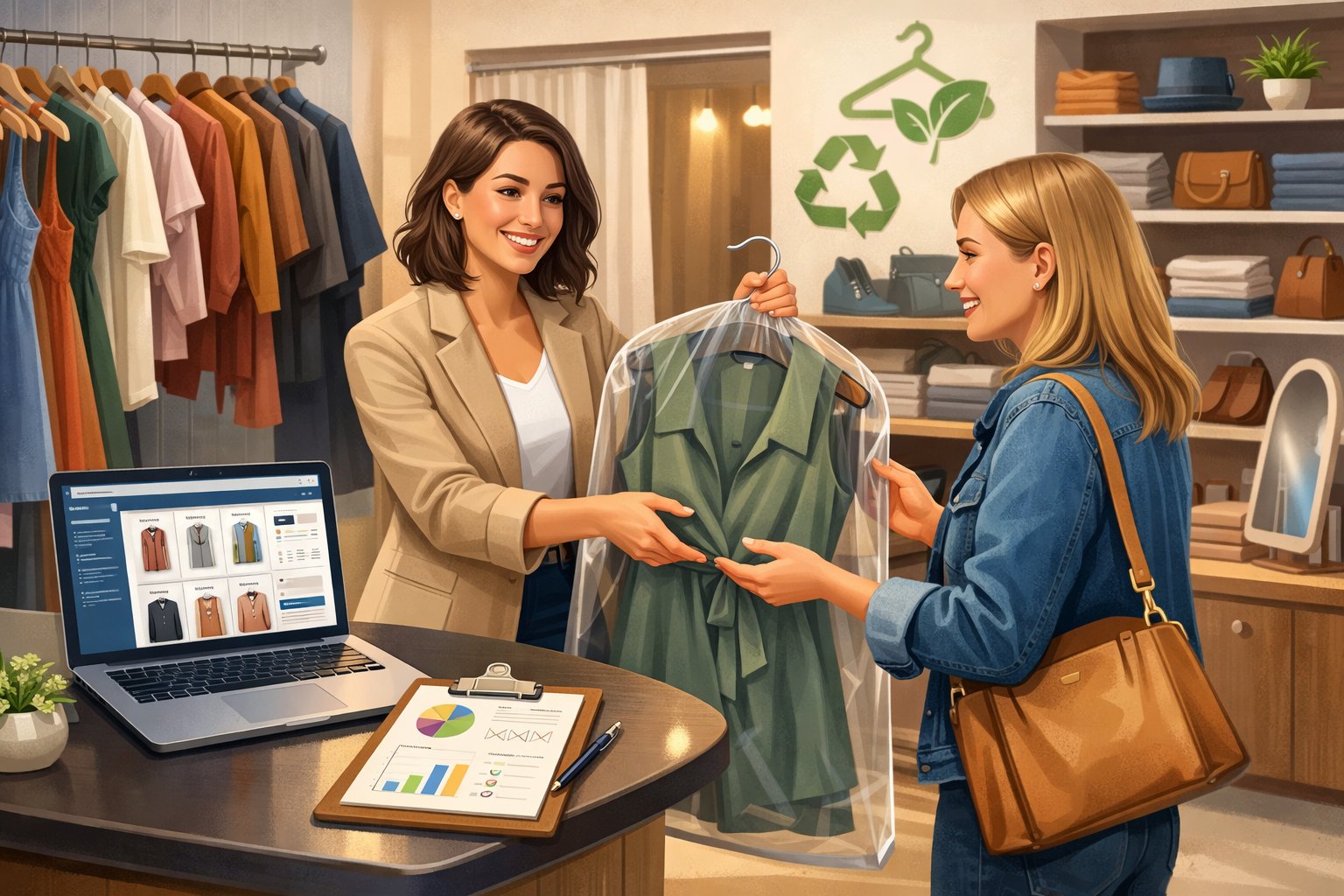
So, how do you actually get a clothing rental business off the ground? It comes down to picking the right niche, mapping out your plan, finding solid inventory, handling all the legal and insurance stuff, building an online booking setup, and nailing the cleaning and delivery side of things. The good news? You don't need a ton of money or a fancy storefront to get started - especially if you stick to online.
This guide will walk you through everything that matters, from scoping out the market and picking between wedding wear or everyday looks, to the little operational details that keep people happy and coming back. You'll pick up tips on pricing, working with suppliers, marketing yourself, and what to do when it's time to grow.
Why the Clothing Rental Market Is Growing
What's behind the boom? Well, there are three big shifts. First off, people are getting more serious about sustainability - fast fashion's out, and renting is in. Then there's the money side: why shell out for a designer outfit you'll wear once? Finally, tech has just made this whole thing way easier than it used to be.
The global rental fashion market is on track to blow past $3 billion by 2030, and it's not slowing down. Younger shoppers especially are all about renting for special occasions instead of buying something that'll just gather dust.
A few reasons this space is blowing up right now:
- Eco-friendly mindset - People want to cut down on waste and their carbon footprint
- Affordable taste of luxury - Renting lets anyone rock a high-end label for way less
- Small living spaces - No one wants to cram a bunch of rarely-worn clothes in a tiny closet
- Social media pressure - Gotta have a new look for every post, right?
- Wardrobe flexibility - Professionals want options without the commitment
The online clothing rental market was already at $1.12 billion in 2021 and is growing about 8.5% every year. That means there's room for all sorts of niches: wedding gowns, workwear, maternity styles, accessories - the works.
With better tech for handling logistics and cleaning, plus slicker digital booking systems, it's never been easier to run a rental business. All those headaches that used to make this model tough? They're a lot more manageable now.
If you're thinking about jumping in, starting a clothing rental business that's eco-friendly and budget-smart could be the perfect move. But be prepared - there are real fashion rental challenges to navigate along the way.
Choose Your Clothing Rental Niche

Your niche is everything. It'll decide who your customers are, how much you need to spend upfront, and how you'll make your money. Each area comes with its own quirks - some more expensive to get started, some requiring more hands-on work, some needing a totally different marketing approach.
Designer and Luxury Dress Rental
Going after designer and luxury rentals? You're targeting folks who want to wear brands like Gucci or Chanel but don't want the sticker shock. Expect to shell out somewhere between $10,000 and $50,000 for your starting inventory, depending on if you're buying new, picking up gently-used pieces, or scoring consignment deals with designers.
This niche can pull in hefty rental fees - sometimes $50 to $500 per item for a few days. Most of your customers will be dressing up for big events where the label matters. Fun fact: the women's segment is over 59% of this market, so luxury womenswear is a pretty safe bet.
Dry cleaning can run $15 to $40 a pop, and you'll need insurance for your inventory. Authenticity is a big deal - no one wants a fake bag or dress - so you'll need to verify pre-owned pieces. Quality control is huge, too, since your clients expect everything to be perfect.
If you want to save on upfront costs, try partnering with designers or consignment shops. Sometimes, you only pay them after you've made a rental.
Everyday Fashion and Workwear
If you're more into everyday fashion and workwear, you'll be serving professionals who want variety but don't want to deal with a packed closet. Think business casual, trendy pieces, and basics that rotate through people's wardrobes.
Subscriptions are big here - usually $69 to $159 a month for 3 to 5 items with unlimited swaps. Inventory costs are lower than luxury, with most pieces running $30 to $100 wholesale. You'll need a good range of sizes and more of the popular stuff.
This model is nice because it brings in steady, recurring revenue and customers tend to stick around. People usually keep items for 2-4 weeks, so you can get 6-12 rentals per year out of each piece. You're typically breaking even after 3-5 rentals.
But, logistics can get tricky with all the shipping and returns. You'll want a smooth system for cleaning, inspecting, and tracking everything. Commercial laundry services usually charge $3 to $8 per item - honestly, it's worth it unless you want to spend your life doing laundry.
Wedding and Special Occasion
If you go after the wedding and special occasion crowd, you'll be focusing on bridesmaid dresses, guest outfits, and mother-of-the-bride looks. Bridal rentals are appealing because people only wear these once but would otherwise pay a ton to own them.
You can charge $75 to $300 per dress, plus extra for alterations ($20 to $75). The busy season is March through October, so you'll need to plan your inventory for those peak months. Stock up on multiple sizes and popular styles since bridal parties often rent a bunch at once.
Expect to pay $80 to $200 wholesale per dress, and you'll probably get 8 to 15 rentals out of each before needing to replace them. Offering color matching and size consultations helps cut down on returns. Building relationships with wedding planners and bridal shops can bring in lots of referrals.
You'll need more storage for all the extra dresses during peak season. Don't forget to budget for garment bags, steamers, and pressing gear to keep everything looking sharp.
Costume and Themed Event Rental
Costume and themed event rentals are all about Halloween, corporate parties, theater, and cosplay. Most of your money comes in October through December - sometimes 60-70% of your yearly revenue.
Costumes can be cheap or pricey - $25 for simple stuff, up to $300 for fancy getups. Decades themes, superheroes, historical outfits, and uniforms are always popular. Rentals are usually $40 to $150 per costume for a weekend.
Corporate gigs help fill the off-season, especially for team-building events. Set up deals with event planners and HR folks for big bulk bookings. Theater groups might rent for a few weeks at a time (usually at a discount).
Costumes get beat up more than regular clothes, so cleaning ($10 to $25 each) and repairs are ongoing costs. Keep close track of every piece - costume sets have lots of little parts that love to wander off.
Write a Business Plan
Every business needs a plan - even if you're just scribbling notes on a napkin at first. Start with your niche: are you all about weddings, luxury, or everyday fashion?
Figure out your business model. Are you charging per rental for a set number of days, or going with a subscription where people pay $89-$199 a month for unlimited swaps? A solid clothing rental business plan will help you see what makes sense for your crowd.
What you'll want to cover:
- Startup costs - Inventory ($10k-$30k), rental management software ($50-$300/month), insurance ($500-$2,000/year), cleaning gear or service contracts
- Pricing - Per-rental (usually 10-15% of retail value) or monthly subscriptions
- Revenue projections - Estimate based on how much inventory you'll have, how often each piece gets rented (aim for 2-4 times a month), and how much of your stuff is actually out with customers
- Funding - Are you using savings, getting a loan, or looking for investors?
Lay out how you'll get your inventory. Are you buying outright, working with consignment shops, or teaming up with designers? Each way affects your cash flow differently.
Don't skip the marketing section - factor in costs for pro photos, building your website, and running ads. Most rental startups spend about 15-20% of what they hope to make on marketing in their first year.
You'll also need a plan for keeping your items in good shape. Spell out your inspection process and how you'll maintain your rental pieces. Investors (and your future self) will want to know you've thought about the full life of each item.
Legal Setup and Insurance

Before you rent out your first dress, you'll need to pick a business structure. Most people go with an LLC since it keeps your personal assets separate from any business messes. Sole proprietorships are cheaper and easier, but they don't protect you if something goes wrong.
Depending on where you live, you'll probably need a general business license and a sales tax permit (since rentals are usually taxed). If you're working from home, check your city's rules - you might need a home business permit.
Insurance you'll want:
- General liability - Covers you if a customer gets hurt or something gets damaged
- Commercial property - Protects your inventory from theft, fire, etc.
- Business owner's policy (BOP) - Usually bundles liability and property coverage, often for less
- Rental-specific coverage - If a customer ruins or loses an item, you're covered
Budget $500 to $2,000 a year for basic insurance, more if you're stocking pricey stuff like wedding gowns or designer gear.
You'll also need a rental agreement that spells out how payments work, what happens if something's late or damaged, and who's responsible for what. Be clear about cleaning, normal wear, and what counts as real damage. These contracts aren't just legal protection - they set the tone with your customers.
Picking the right business structure will affect your taxes and liability, so it's worth talking to a business attorney in your state. Make sure you're ticking all the boxes for legal requirements and have your paperwork in order.
Source Your Inventory

Your inventory is the heart of your business - it's what customers see, wear, and talk about. How you build it depends on your budget and business model. You can buy wholesale, set up consignment deals, or curate a small but mighty "capsule" collection. Each route has its pros and cons.
Buying Wholesale or Retail
Buying your inventory outright means you own it all and keep the full rental profits. Wholesale suppliers usually sell at 40-60% below retail, so a $200 dress might cost you $80-120. Not bad.
You can find inventory from wholesalers, liquidation sales, or even brands that like working with rental startups. For a clothing rental business, expect to drop $10,000-50,000 at the start, depending on your focus.
A few things to keep in mind:
- Quality matters - Each piece will see a lot of wear (10-30 rentals), so it needs to last
- Size range - Stock several sizes of your best sellers to keep people happy
- Buy at the right time - Grab spring/summer styles in fall when prices dip
- Mix it up - Aim for about 70% classic pieces and 30% trendy stuff to cover your bases
Retail buys are great for standout pieces or when you want to test a new style before committing. Pay attention to what rents most - let that guide your next inventory buys.
Consignment and Designer Partnerships
Consignment is a pretty handy setup - it lets you list inventory without shelling out money upfront, and you just split the rental revenue with whoever owns the garment. The usual split? Anywhere from 50/50 up to 70/30 in your favor, depending on how fancy or exclusive the item is.
Honestly, this system shines for high-end stuff. Buying a single designer gown outright for $3,000 or $10,000? Not exactly realistic for most small businesses. Instead, you're offering the owner a little passive income while their beautiful dress doesn't just sit in a closet gathering dust.
Designer partnerships are another route. In this case, brands provide inventory in exchange for a mix of exposure and shared revenue. Newer designers, in particular, tend to jump at these opportunities for the marketing boost. If you're hoping to land partnerships with more established names, though, you'll need a solid business plan and a customer base that looks promising.
Why consignment works:
- Way less capital needed upfront
- Access to luxury pieces you probably couldn't buy outright
- Lower risk when you're testing out new styles or sizes
- Owners usually care about their stuff, so quality's pretty reliable
But don't skip the paperwork. Every arrangement should have a clear contract - think damage waiver policies, insurance, who handles cleaning, and how the revenue gets split. Most successful fashion rental companies actually blend owned and consigned inventory, which seems to be the sweet spot.
Building a Capsule Collection
Capsule collections are all about focus. You're curating 30 to 50 pieces that work for all kinds of occasions and different customers. This keeps your costs down and helps you rent things out more often, since everything's chosen to mix, match, and accessorize easily.
Pick pieces in colors and styles that play well together. Maybe your capsule has 10 classic dresses, 8 blazers, 6 pants, 5 skirts, plus some accessories. The idea is to get the most mileage possible from each item.
Sample capsule strategy:
| Category | Number of Pieces | Price Range | Rental Potential |
|---|---|---|---|
| Dresses | 10-15 | $80-300 | 2-4x per month |
| Blazers | 6-8 | $60-200 | 3-5x per month |
| Pants | 4-6 | $40-150 | 2-3x per month |
| Accessories | 10-15 | $20-100 | 4-8x per month |
This approach is especially great for work clothes rental or professional niches where people want reliable, repeatable options. Over time, you can expand based on what actually gets rented most often - let the data guide you.
Start with one cohesive seasonal collection, then branch out. Each piece should earn its keep by renting at least twice a month; otherwise, it's probably not worth the space.
Planning Your Clothing Rental Pricing?
Use our free rental pricing calculator to find the sweet spot between profitability and competitiveness.
Rental Pricing CalculatorSet Your Pricing Model
You'll have to decide: do you charge per rental, or set up a subscription service? Most businesses go with charging 10-30% of an item's retail value for short-term rentals. Your pricing has to cover everything - garment costs, pro cleaning, software, insurance, shipping - and still leave you some profit.
Per-Item Rental Pricing
Start by figuring out your base rental price: divide the purchase cost of the item by how many times you hope to rent it out, then add your operating expenses. If you buy a $300 dress and want to rent it 15 times, you're looking at a minimum of $20 per rental just to break even on the purchase.
Smart pricing strategies mean you also need to factor in cleaning ($15-40 per item), platform fees (2-5%), insurance (1-3% of inventory value), and shipping if you deliver. Don't forget to stash a little away for damage or seasonal storage.
Tiered pricing can help - maybe $75 for three days, $120 for a week, $200 for two weeks. And during peak seasons (weddings, holidays), you can bump prices up 20-40% for in-demand stuff.
Subscription Box Model
Subscription boxes are great for steady revenue and boosting customer lifetime value. You could offer plans like $69/month for two items, $129 for four, or $199 for unlimited swaps (with a three-item cap at a time).
Make sure your subscription pricing reflects the retail value people get, but also covers your costs to keep inventory moving. If someone's renting $800 worth of clothing for $129 a month, they'll feel like they're getting a deal, and your margins can still hit 40-50% if you manage inventory well.
You'll need specialized rental software for tracking, swap schedules, and billing. Subscription models usually mean higher cleaning frequency and faster wear, so price accordingly.
Cleaning, Repairs, and Quality Control
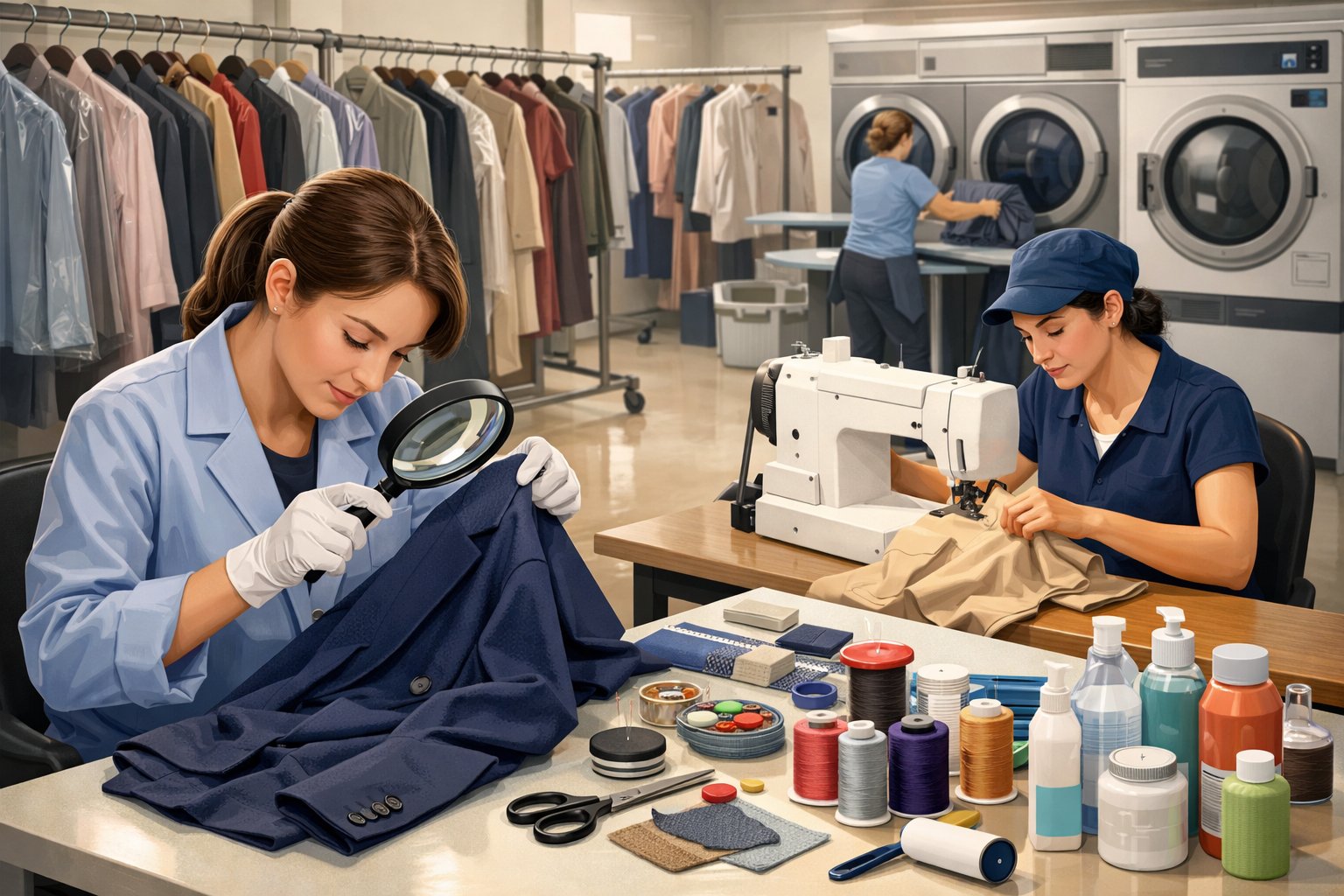
Maintenance is huge - happy customers come back, and that depends on how well you care for your inventory. Find a dry cleaner who actually knows how to handle delicate fabrics and designer pieces. Expect to pay $10 to $25 per item for cleaning after every rental - there's no getting around it.
Set up a three-point inspection checklist for every garment. Check for stains, rips, and busted zippers or buttons both when stuff comes back and before it goes out again. Having a tight quality check system protects your reputation and keeps damaged items off the floor.
You'll want a good relationship with a local tailor for quick fixes. Minor repairs - buttons, small tears - usually run $5 to $15. Keep a little repair kit handy: fabric tape, extra buttons, lint roller, that sort of thing.
Your quality control process should look something like:
- Initial inspection within 24 hours of return
- Professional cleaning with your chosen dry cleaner
- Final check before sending out again - steam it, photograph any new flaws
- Inventory tracking so you know how often each item's been rented
Plan to spend about 30% of your rental fee on cleaning and maintenance. So, if you rent a dress for $75, about $22 should go to upkeep. That way you keep standards high without eating into profits.
Track every garment's condition after each rental. Once repairs get too pricey (over 40% of replacement value), or the piece just looks tired, retire it. Better to swap in fresh inventory than risk unhappy customers.
Build Your Online Presence
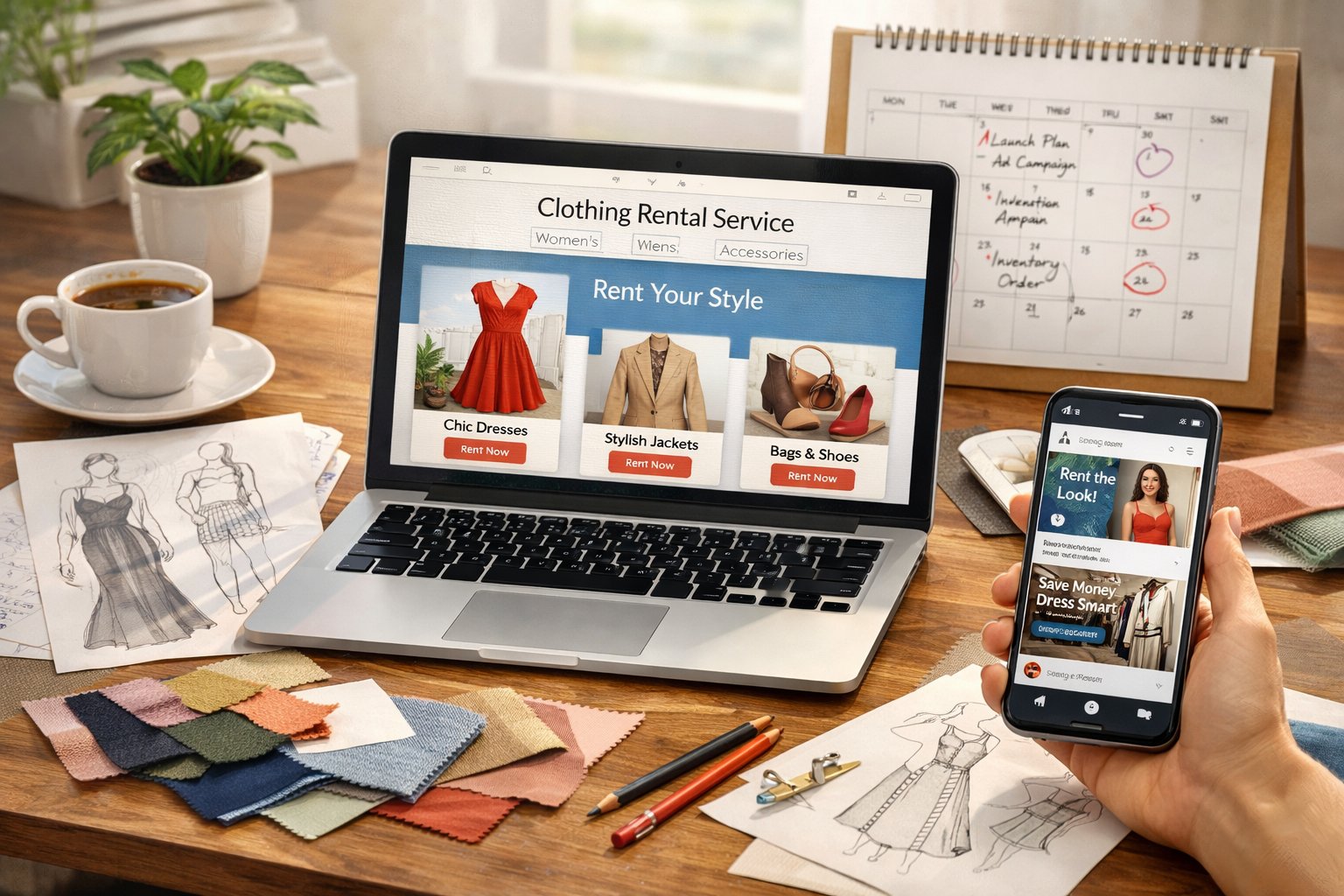
Your website is your storefront, so it needs to look sharp and make booking super easy. Great photos help, but so does a booking system that actually works.
Your Website and Booking System
You'll want rental software for inventory tracking, online bookings, payments, and customer messages - all in one spot. Good software will automatically show what's booked, what's available, and when stuff's due back.
The booking system has to show real-time availability to avoid double-bookings. For sizing, list exact measurements, not just "medium" or "large" - people can't try stuff on before renting, so details matter.
Make your rental terms easy to find: rental lengths, cleaning fees, damage waiver policies, late fees - don't bury this info. Offering tiered pricing (like $50/day or $250/week) can help customers pick what works for them.
Automate as much as you can: confirmation emails, reminders, return instructions. If you're already on WordPress, Squarespace, or Shopify, integrating rental software is usually pretty painless.
Photography and Listings
Photos sell rentals, period. Take multiple shots of each piece - front, back, details like embroidery or cool buttons.
Keep lighting and backgrounds consistent for a polished look. Show items on real people whenever possible; it's just easier for customers to picture themselves in the clothes.
Write honest, detailed descriptions: fabric, care, styling tips. Say if something runs big, small, or true to size based on your experience and customer feedback. If there's a minor flaw, mention it - it's better to set expectations than deal with complaints later.
Shipping and Logistics
Shipping can make or break the customer experience - and your profits. Decide if you'll deliver items yourself or use UPS, FedEx, USPS, etc.
If your customers are local (say, within 20-30 miles), free pickup and drop-off at your shop is a win-win. No shipping costs, plus you get a shot at upselling accessories or encouraging repeat rentals. For high-value pieces, delivering them yourself might make sense.
When you ship nationally, plan for:
- Outbound timing: Ship 2-3 days before the event, just in case
- Return window: Let customers send stuff back 1-2 days after their event
- Packaging: Use sturdy garment bags inside branded boxes to keep things safe
- Tracking: Always track shipments so nothing goes missing
Budget about $15-25 per round-trip shipment with standard carriers. For anything over $1,000, require a signature and get insurance.
It's usually better to roll shipping costs into your rental price. Customers like seeing one total number - $75 all-in is easier to swallow than $60 plus $15 shipping.
Each shipment should include:
- Prepaid return label
- Care instructions for the garment
- Clear return deadline
- Maybe a mini steamer or wrinkle spray for touch-ups
When setting up your business, make space for returned items to sit before inspection and cleaning - don't just throw them back on the rack.
Keep an eye on average return times. Late returns mess up your calendar and cost you money.
Marketing Your Clothing Rental Business
Getting the word out isn't just about throwing money at ads. You want to focus on the channels where your customers actually hang out - maybe Instagram for party dresses, or LinkedIn for workwear.
Social Media and Influencer Marketing
Instagram and TikTok are your visual playgrounds. Post outfit inspo, styling tips, and real customer stories three to five times a week to keep things lively. Stories are perfect for behind-the-scenes stuff: new arrivals, cleaning routines, packing orders.
Influencer partnerships can move the needle, especially with micro-influencers (5,000 to 50,000 followers) who fit your niche. Offer them free rentals for posts and stories. If you rent wedding dresses, connect with engagement photographers; if you do handbags, maybe fashion bloggers are your people.
Social media marketing doesn't have to be expensive at first. Watch which posts get the most saves and shares, then double down on that type of content. Once you know what works, consider spending $200 to $500 a month on targeted ads.
SEO and Content Marketing
If you serve specific cities, your website needs to mention them - think "designer dress rental in [city]" or "wedding guest outfit rental near me." Write blog posts answering common questions about sizing, rental periods, or care.
SEO is a long game, but it pays off. Aim for one or two blog posts a month on topics like "what to wear to summer weddings" or "sustainable fashion options." Naturally weave in your rental offerings.
Product pages should list designer names, available sizes, fabric details, and styling ideas. Add customer reviews to each listing; they keep your pages fresh and help with Google rankings. If you have a physical showroom, make sure you're on Google Business Profile for local searches.
Local Events and Pop-Ups
There's just something about showing up in person that builds trust - especially with folks who are a bit wary of renting clothing online. Try setting up a booth at bridal expos, college events, or local festivals where your ideal customers actually hang out. Bring along your best-loved pieces, maybe a few showstoppers, and offer on-the-spot sign-ups with a sweet first-rental discount. People love a deal, right?
Teaming up with nearby businesses - think jewelry shops, shoe boutiques, or salons - can be a game changer for cross-promotion. Imagine a pop-up in a makeup studio right before prom, or setting up in a coworking space when everyone's looking for professional outfits. It's all about making it easy for people to check you out. Plus, these partnerships don't usually cost much - maybe just a bit of revenue sharing or swapping some promo love.
Launch events and special promotions can help you get noticed when you're just getting started. A "try before you rent" night lets people see the quality for themselves and snap a few photos in your pieces. Don't forget to grab email addresses from everyone who stops by - building that marketing list early is key for future campaigns.
Manage Finances and Scale
Keep tabs on every expense from day one if you want any shot at staying profitable. Upfront, you'll be shelling out for inventory, cleaning supplies, clothing rental software, insurance, and all the marketing basics. It's smart to stash away 15-20% of your monthly revenue for ongoing maintenance and dry cleaning - those costs add up fast.
Set up separate bank accounts for your everyday expenses and your "growth" funds. It'll save you a headache later, trust me. Mixing money meant for bills with money you're hoping to use for expansion? Not a good idea.
A few financial metrics you'll want to keep an eye on:
- Cost per rental (think: cleaning, packaging, shipping)
- Average rental value per customer
- Inventory turnover rate
- Customer acquisition cost
- Monthly recurring revenue (if you're running subscriptions)
For pricing, the sweet spot is usually 10-15% of retail value for a one-off rental. If you're leaning into subscriptions, charge a monthly fee that covers three or four rentals, aiming for margins somewhere between 40-60%.
Once the revenue's coming in steady, start reinvesting profits to grow your inventory. Focus on your most popular items and sizes - let your data guide you.
When you're ready, add complementary stuff like accessories or shoes. Expanding into new niches is tempting, but don't stretch yourself too thin.
If orders start piling up, look into automation tools. Clothing rental management systems can handle bookings, payments, and inventory tracking - no need to hire a bunch of extra staff right away.
As you scale, build solid relationships with suppliers. Buying in bulk? Negotiate for better rates once you've got a track record of steady orders.
Set clear growth milestones - maybe you hire your first employee once you hit $10,000 in monthly revenue, or open a storefront at $50,000. Having those benchmarks keeps you focused.
A booking platform like Reservety can simplify operations with online reservations, inventory tracking, and automated payments — all for a flat monthly fee with no commission per order.
Keep a close eye on cash flow, especially in year one. Late returns and damaged items can really mess with your ability to buy new pieces when you need them.