
If you plan to start a cabin rental business, consider the following 10 components in your business plan.
#1 Location
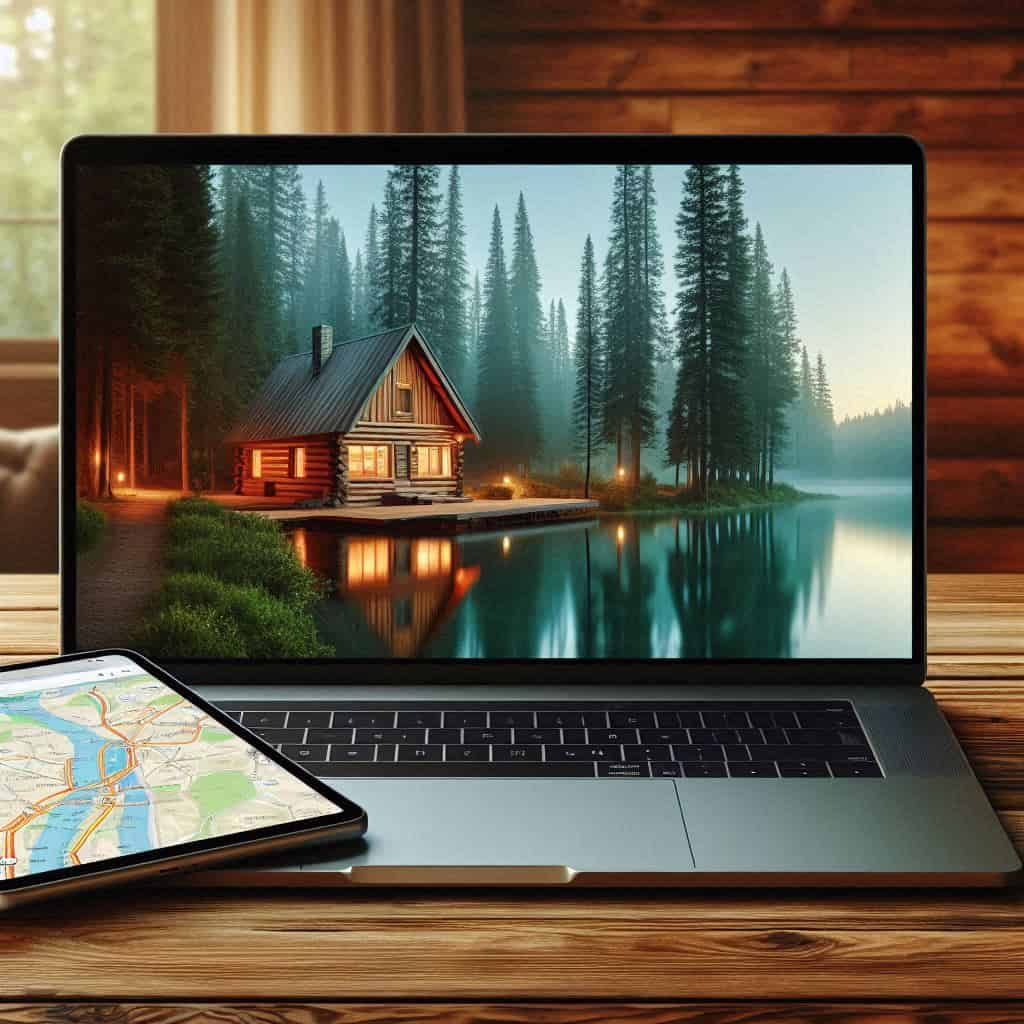
Pinpoint a good spot
Consider areas near popular ski resorts, lakes, or secluded spots for that ultimate escape.
Ensure the environment is quiet, clean, relaxing, and, more importantly, crime-free.
Research existing businesses
Analyze the cabin rentals existing in the target location to study the area’s potential.
You can also check successful cabin rentals elsewhere to understand how they manage their business and what strategies they use.
Copying others’ success is not a bad thing!
Develop area-specific marketing strategies
If your cabin is located in a remote location, focus on online marketing and social media exposure for bookings.
Offline marketing is also important to let locals know about your business. There are still people who read ads on paper.
Strategies like organizing promotional events in the community, displaying ads on local billboards, handing out vouchers, and networking with travel agencies may work.
#2 Types of Cabins
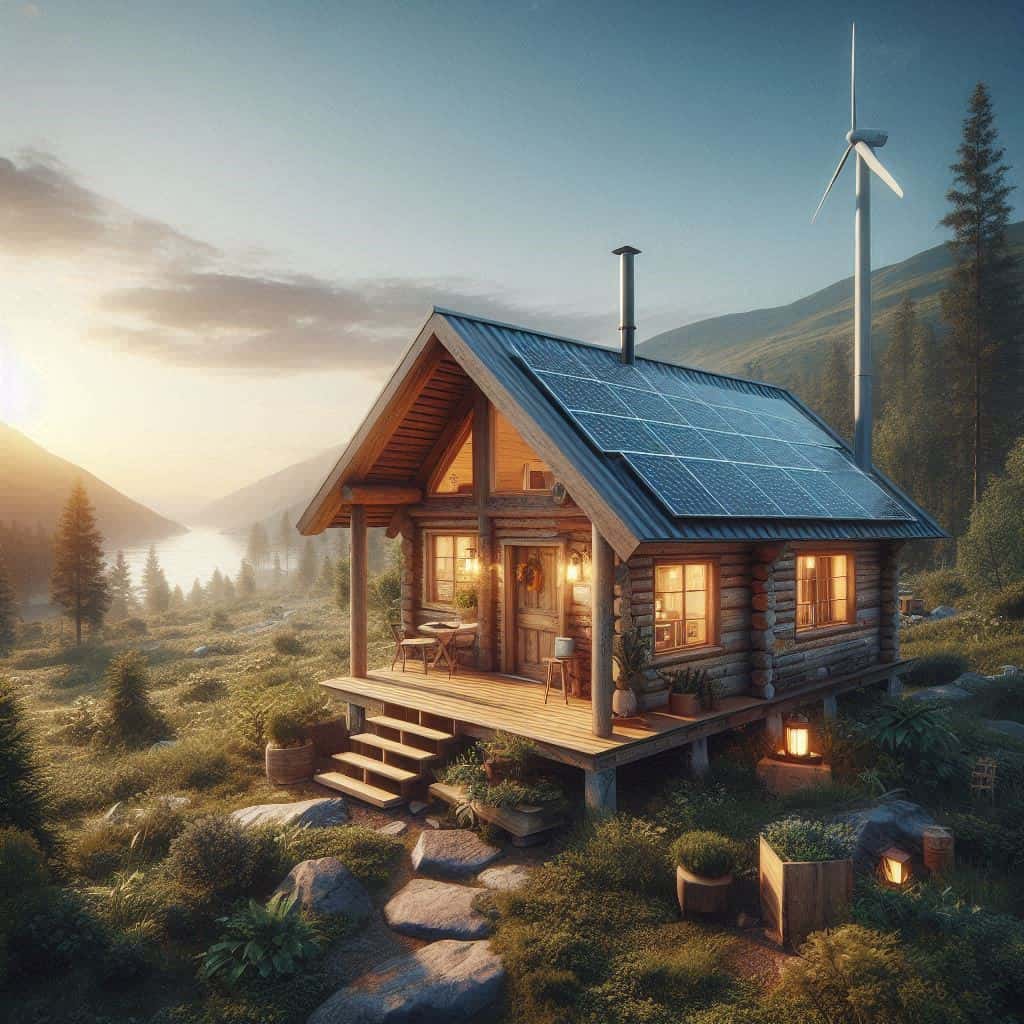
Choose cabin styles.
Decide which type of cabin will work for your rental business.
Some popular types include tiny houses, treehouses, cottages, log cabins, and more.
We recommend choosing a cabin type that aligns with your vision, budget, and management style.
Consider off-grid cabins.
Off-grid cabins are getting popular because they are self-sufficient and environment-friendly gateways to escape from digital smog.
You can place those cabins in the most remote locations as they do not require electricity and sewer lines.
We have written an article about the feasibility of starting an off-grid cabin rental business. You may read it here.
Make cabins portable.
It is not a must but portable cabins minimize the losses in the event of business failure.
You can sell to recover the portion of your investment or relocate to other locations with a higher demand.
#3 Legal Framework

Decide the legal structure for your business.
You can set up your business under various legal structures.
For example, in the US, you can register your business as an LLC, sole proprietorship, corporation, or partnership, etc.
You must choose the one that matches your business model. However, most of the time small businesses go with LLC as it separates individuals from the business liabilities.
Obtain necessary permits and licenses.
You should obtain the necessary permits and licenses to operate as a legal entity even if your business is in the middle of a forest.
Each country and state has rules for obtaining permits and licenses, so we can’t give you the blueprint for obtaining a license. But you can get accurate guidance from your local chamber of commerce.
Create internal policies.
You have to set up rules and policies for your business to protect yourself from losses and liabilities.
Once you develop legally binding rules, include them in your contracts and rental agreements.
Such a move will promote responsible use among customers as they know they would be penalized if they neglect your cabins or break the rules.
#4 Property Acquisition
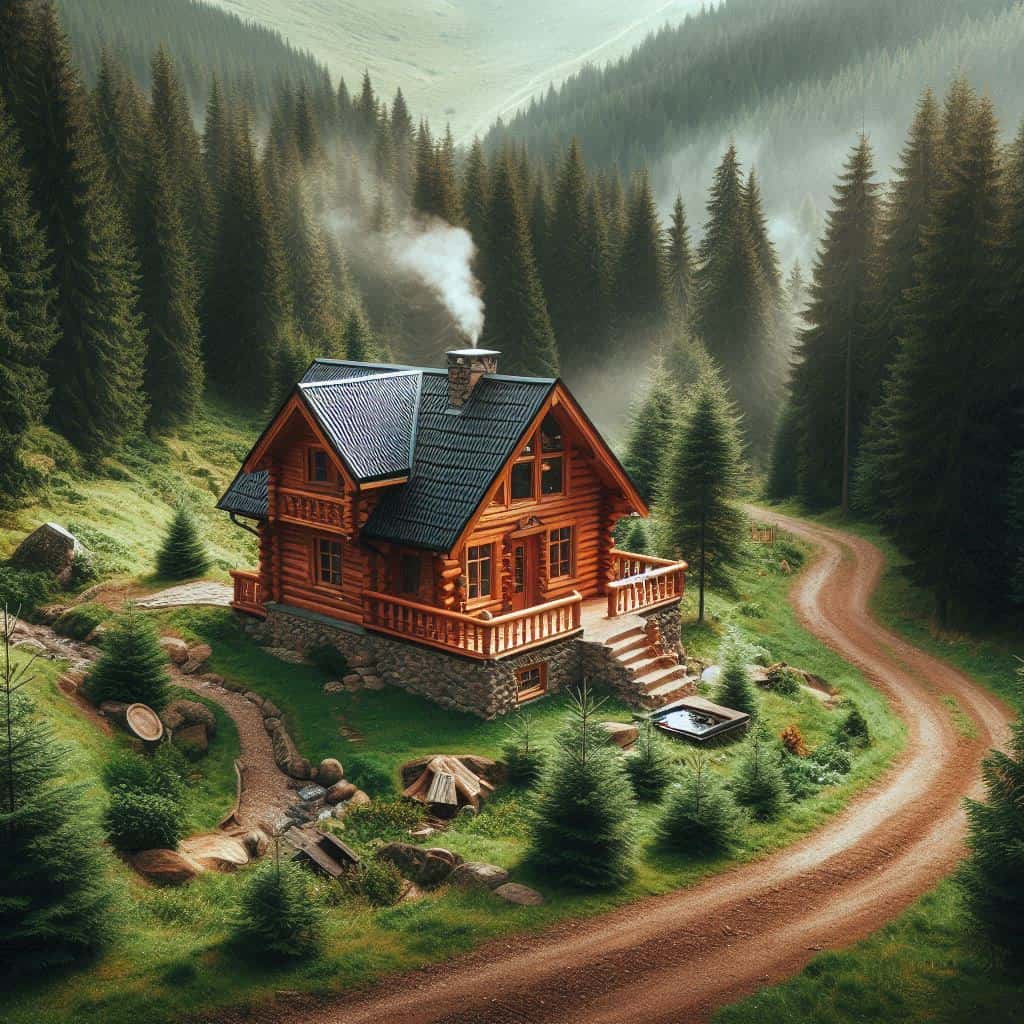
Set a budget for acquisition.
You have several options for property acquisition such as building a cabin on an empty plot, renovating an old cabin, or purchasing a ready-to-live-in cabin.
Whichever option you choose, it should align with your budget.
If your budget is too low, you can lease cabins to rent them to short-term stayers for profit.
Decide Interior Design and Amenities
It would help if you determine the looks of your cabins before setting them up for rentals.
For example, you can give them a rustic or modern look to create an atmosphere that will be appealing to your customers.
Whatever design you choose for the interior, make sure it matches the exterior.
Furnish the cabin with comfortable amenities
This is an essential part of your business plan because you must select bedding, kitchen supplies, heating & air conditioning equipment, etc. to make the cabins more welcoming.
The first thing the renters will look at is the furnishings inside the cabin.
An empty cabin with old appliances will be a scarecrow for some as no one would prefer to bring their stuff to spend a few nights.
#5 Pricing Strategy
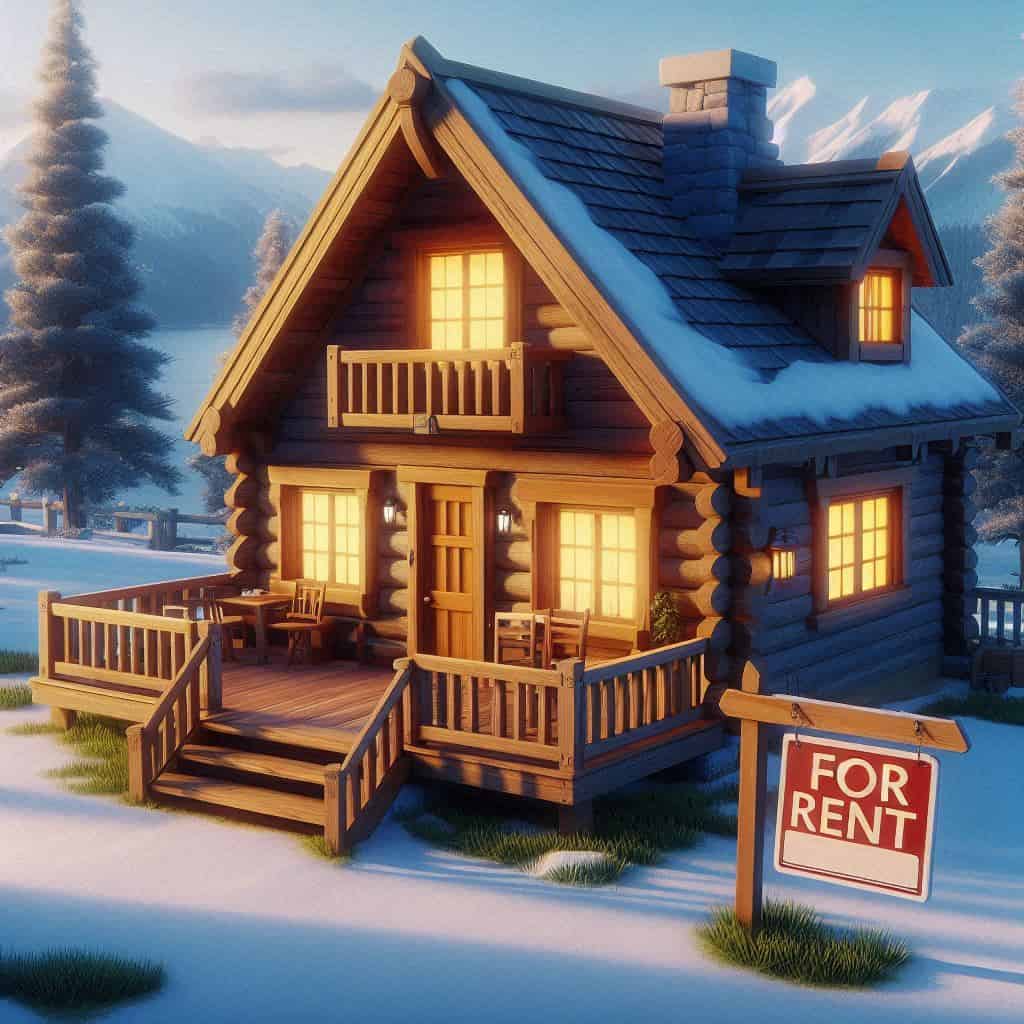
Research local rental rates and set competitive prices.
Your prices should be affordable, and customers should get fair value for their spending.
Remember people are willing to spend a little more when they see greater value in your cabins. This probably explains why certain rooms in expensive hotels are always booked out.
For example, the value will increase when cabins are in a nice environment, furnished with modern appliances, satellite internet, etc.
Consider seasonal variations and special events.
The demand for cabins may not stay the same throughout the year.
For example, cabins may attract a greater demand during holiday seasons, spring, or other warmer months. But it can be the opposite.
So, you need to analyze the market for accurate forecasts.
To gain a constant flow of revenues, you can also introduce seasonal prices such as lower prices for off-season, and higher prices for peak days.
Create package deals and discounts.
You can include complimentary services and products in your cabins to spark desire in potential customers.
For example, offering satellite internet, or fresh daily meals, giving access to fishing spots, and providing free boats may increase the number of bookings.
Similarly, you can offer discounts as incentives for new and existing customers.
#6 Marketing and Promotion

Focus on creating an online presence.
You can do so with a website, which you can build using Reservety’s Cabin & Cottage Rental Software.
Afterward, you can create social media profiles on various platforms and connect them to your website.
You can also boost your online presence by posting fresh content relevant to vacation rentals, and optimizing them for search engines.
Take professional photos and write attractive descriptions.
A picture speaks a thousand words. This is especially true in vacation rentals.
Showcase your cabins through vibrant images or fun videos to spark interest in potential customers.
Similarly, your descriptions should be attractive and informative so they can take the leisure seekers on an imaginary journey.
Leverage booking platforms like Airbnb or Booking.com.
Do not only rely on your website and social media.
You can also list your cabins on popular booking platforms to gain instant access to millions of leisure seekers.
The downside of booking platforms is the commissions they charge per order.
#7 Guest Experience

Determine how you will provide customer support.
A systematic approach to customer support will help you provide quality assistance.
For example, write down what tools you plan to utilize to provide online support: Phone, email, live chat, forum, etc.
While determining methods for customer support give yourself questions such as who will be responsible for calls and emails; whether customers can manage their accounts independently; What procedures you will use to settle the disputes, etc.
Look for ways to implement live on-site support.
Modern shoppers want to get things done without leaving the website.
Latest surveys indicated that consumers prefer live chat more than calling or emailing.
There are many tools to set up live chat on your website, but if you use Reservety, you will get it automatically on your website.
Develop a rating system to evaluate your support.
You must have a rating system to collect customers’ views towards your support and overall business.
The rating system will help you to discover your strengths and weaknesses and make calculated decisions to grow your business.
#8 Maintenance and Cleaning

Regular inspections and maintenance
Cleanliness is a top priority in the hospitality business.
You probably have seen social media posts where guests expose hotels by posting pictures of their unhygienic beds, fridges, etc.
You do not want to be in that position. Therefore, set a budget for regular maintenance & cleaning.
Regular maintenance indulges the customers and keeps your cabins in good shape.
Control pests and unwelcome guests.
We assume your rental cabins will be in the countryside or even deep parts of nature.
Yes, those places are beautiful, quiet, and relaxing, but not problem-free.
Ants, spiders, and other unwelcome guests may try to lurk in your cabin. So, you must inspect your cabin for pests and treat them with special sprays or powders to keep pests away from customers.
#9 Financial Projections

Estimate startup costs, monthly expenses, and potential revenue.
Allocate your funds evenly to the things that matter the most.
One of the top reasons small businesses fail is their inability to manage their finances.
In the beginning, the outflow of money will be greater than the inflow, but you have to be prepared for it with better forecasts and estimations.
Develop a financial plan to track income and expenses.
Get a tool for financial management. Manually tracking is no longer efficient as the method is prone to human errors and requires too much manual labor.
There are tools like Xero and Quickbooks to manage your finances and automate the tracking of expenses and revenues. The best part is that you can integrate them into your cabin rental business using Reservety.
#10 Prepare Tools
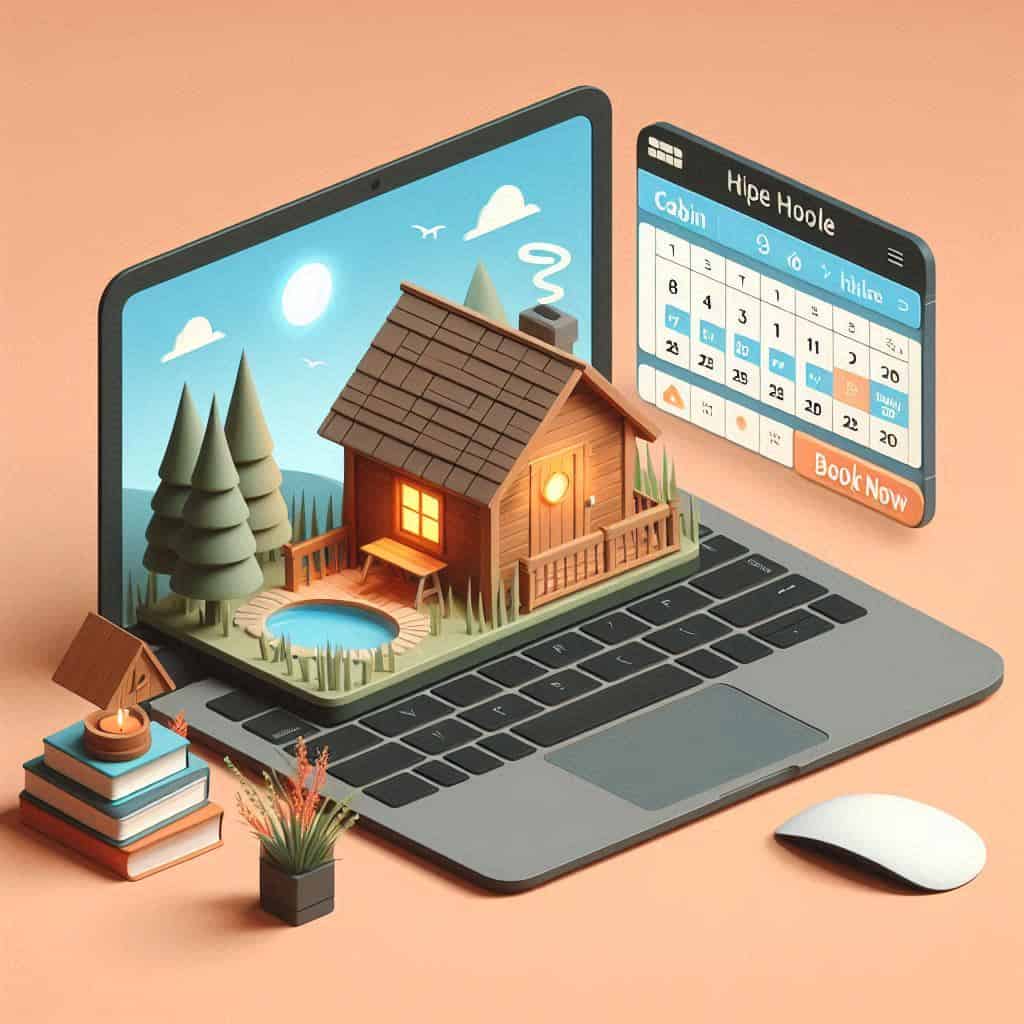
Determine what features you need for your business.
You can easily automate your cabin rental business using rental solutions such as Reservety’s Cabin & Cottage Rental Software.
For example, the mentioned software comes with pre-built features like an online booking system, inventory management system, invoicing & reporting tools, live chat, POS system, marketing tools, etc.
If your business model is unique and needs uncommon features, you can ask the Reservety team to custom-build them.
A website with a self-serve system.
Modern renters would prefer to book the cabins independently at their own pace.
That means you need a website where customers can view your cabins, and book them for specific periods by paying with a credit card or e-wallet.
Plus, the website should allow customers to create accounts to change orders, view their transactions, extend periods, update personal and billing data, etc.
You can even go one step further by integrating the SmartLock system into your cabin rental business.
It eliminates the need for staff to hand out keys to renters. Each time someone books a cabin, they will get a one-time passcode valid for the duration of the booked period.
Consider Personalized App
Over 90% of internet users access the web using mobile phones. So, it would be logical to get a personalized app for your cabin rental business.
Building an app and integrating it into your existing website can be challenging.
But you can avoid such hassles simply using Reservety as the team builds an app from scratch and makes it work harmoniously with other rental channels such as the website and POS system.
